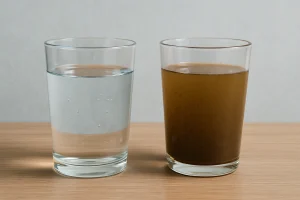
Seeing brown or discolored water is unsettling. Seeing it only from the cold tap can be even more confusing.
Most people assume hot water problems come from the water heater and cold water problems must be something “bigger” or more serious. The truth is more nuanced — and much calmer — than that.
Brown water from the cold tap only is a very specific plumbing clue. It often narrows the cause faster than when both hot and cold are affected. And in most cases, it points to system disturbance, not contamination.
This article explains exactly what cold-only brown water means, why it happens, how to interpret the signs, and what to do next — without technical jargon or fear.
First: Why Cold-Only Brown Water Is an Important Clue
Hot and cold water do not travel through the same paths.
In most homes and apartment buildings:
- Cold water enters directly from the building or city supply
- Hot water is cold water that has passed through a water heater
So when only cold water is brown, the problem is almost always:
- Upstream of the water heater
- Inside building plumbing or city mains
- Related to pressure, flow, or disturbance
This immediately rules out several causes — and that’s good news.
The Most Common Causes of Brown Water From Cold Taps
Let’s break down the most frequent, real-world explanations.
1. Disturbed Sediment in City Water Mains
This is the single most common cause of cold-only brown water.
City water mains — especially older ones — accumulate sediment over time. This sediment is harmless mineral and rust material that settles when water flow is steady.
When the city:
- Flushes hydrants
- Repairs water mains
- Restores water after a shutdown
- Adjusts pressure
…that sediment gets stirred up.
The result:
- Brown or yellow water
- Affects cold water first
- May impact multiple buildings
- Often clears within minutes to hours
This type of brown water usually appears suddenly and disappears once the system stabilizes.
2. Street Construction or Underground Work
In dense areas, construction happens constantly — and not always visibly.
Excavation, drilling, or pipe work can disturb underground water mains even if:
- The work is a block away
- It’s happening overnight
- There’s no posted notice
Cold water discoloration after construction is common in:
- NYC
- Jersey City
- Hoboken
- Older NJ suburbs
Again, this is about movement inside pipes, not contamination entering the system.
3. Building-Level Plumbing Disturbance
In apartment buildings and condos, cold water flows through:
- Vertical risers
- Shared supply lines
- Valves and meters
If someone else in the building:
- Replaces a fixture
- Shuts off water
- Does plumbing work
…sediment can be disturbed and travel to other units.
This is why cold-only brown water may:
- Affect one unit temporarily
- Appear on certain floors
- Resolve on its own
It’s not personal plumbing failure — it’s shared infrastructure behavior.
4. Pressure Changes During Peak Demand
Cold water is often used more heavily during:
- Morning routines
- Evening cooking and cleaning
In older systems, increased flow can dislodge sediment that normally stays settled.
This explains why some people notice brown water:
- Only at certain times of day
- Mostly in cold taps
- That clears quickly
What Cold-Only Brown Water Usually Does Not Mean
It’s important to rule out common fears.
Cold-only brown water is usually not:
- Sewage
- Dirt entering your pipes
- A chemical spill
- A sudden contamination event
Municipal water systems are pressurized. External contaminants do not simply “leak in” under normal conditions.
The discoloration almost always comes from inside the system, not outside it.
Why Hot Water Is Often Clear When Cold Water Is Brown
This surprises many people.
If cold water is brown but hot water looks clear, it’s because:
- The water heater acts as a temporary settling tank
- Sediment entering the building doesn’t immediately pass through the heater
- Hot water lines may not have been disturbed yet
This difference helps narrow the source to before the heater, not inside it.
Is Cold-Only Brown Water Safe?
“Safe” depends on how you define it.
Generally:
- Brown water from cold taps is not ideal to drink or cook with
- It is usually not an emergency
- It should clear before normal use resumes
The particles causing discoloration are typically:
- Iron
- Rust
- Sediment
- Sometimes manganese
These affect:
- Appearance
- Taste
- Staining
They do not usually pose immediate health danger — but visibly discolored water should not be ingested until clear.
Special Considerations for Babies and Pregnancy
Extra caution is recommended if:
- You prepare infant formula
- Someone in the home is pregnant
In these cases:
- Do not use brown water for drinking or formula
- Use bottled or filtered water temporarily
- Escalate if discoloration persists
This is precautionary, not alarmist.
How Long Should Cold-Only Brown Water Last?
In many cases:
- Minutes to a few hours
- Occasionally up to a day
It often clears after:
- Running cold water for 60–90 seconds
- System pressure stabilizes
- City flushing completes
If discoloration persists beyond 24–48 hours, further investigation is warranted.
How to Clear Cold-Only Brown Water Safely
If the water appears temporary:
- Use cold water only
- Run the tap at the lowest fixture (bathtub or utility sink)
- Let it run for 60–90 seconds
- Observe whether the color fades
If water clears:
- Resume normal use gradually
- Avoid hot water flushing initially
If it does not clear:
- Stop flushing
- Contact building management
- Ask neighbors if they see the same issue
When Cold-Only Brown Water Signals a Bigger Issue
You should escalate if:
- Discoloration does not improve
- It worsens over time
- It returns frequently
- Neighbors are also affected repeatedly
Recurring cold-only brown water may indicate:
- Aging building supply lines
- Corroded valves
- Ongoing main disturbances
These are infrastructure issues, not emergencies — but they deserve attention.
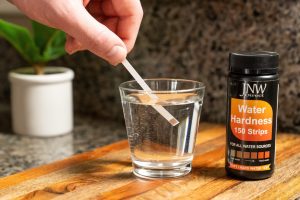
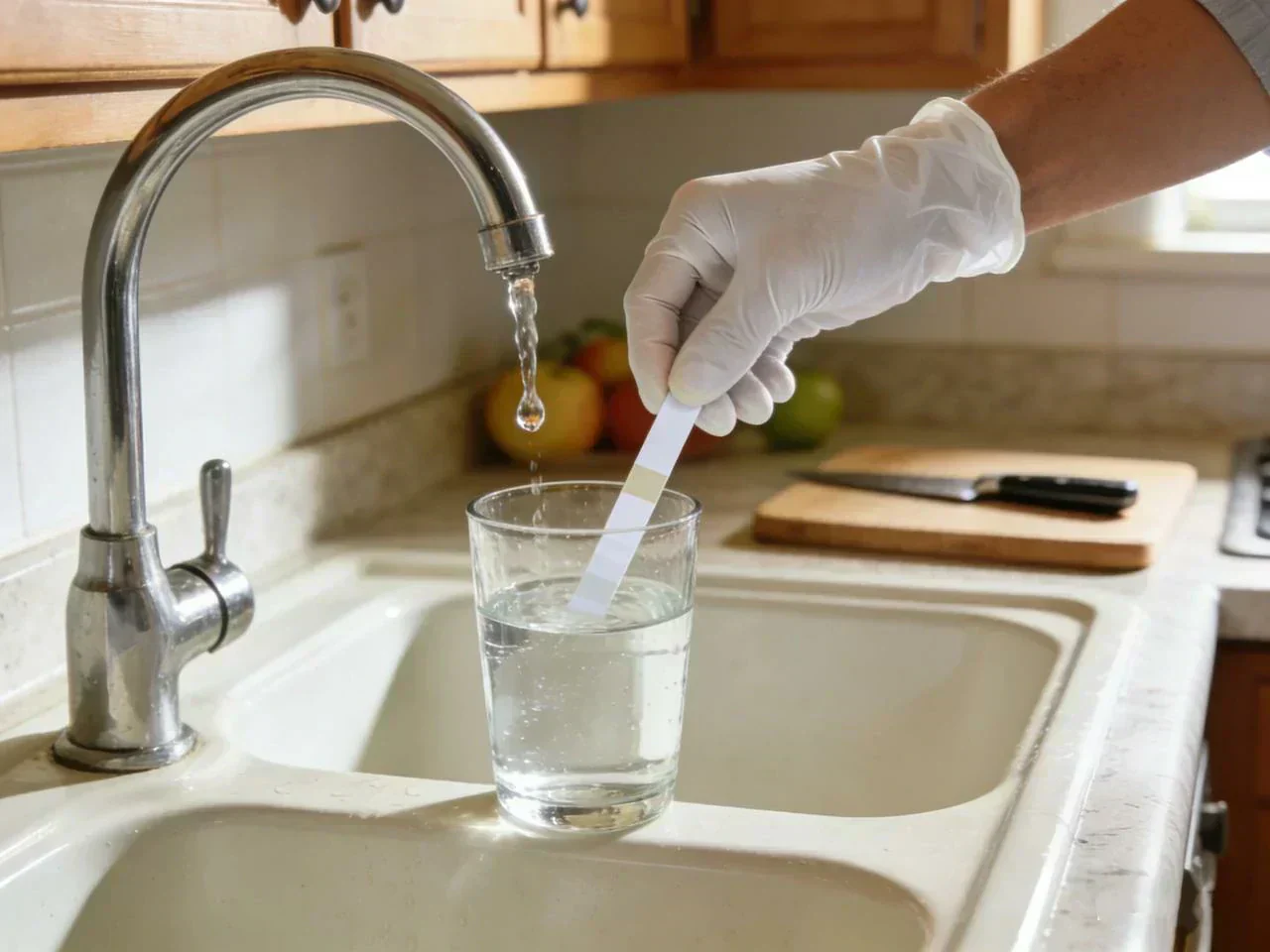
Testing: Is It Necessary?
Testing is usually not necessary for one-time, temporary cold-only discoloration.
Testing may be appropriate if:
- Brown water is persistent
- Plumbing work disturbed old pipes
- Lead solder or fixtures exist
- There are infants or pregnant individuals in the home
Testing should be coordinated through:
- Building management
- Licensed plumbers
- Local water authorities
Why Cold-Only Brown Water Feels Scarier Than It Is
Cold water is what we associate with:
- Drinking
- Cooking
- Formula preparation
So when cold water looks wrong, it triggers concern.
That concern is understandable — but most of the time, cold-only brown water is a short-term system behavior, not a threat.
The Key Takeaway
If brown water is coming from your cold tap only:
- The issue is almost always upstream
- It’s usually related to sediment disturbance
- It often resolves on its own
- It rarely indicates contamination
Understanding the pattern is the difference between panic and clarity.
What to Remember
- Observe first
- Don’t assume the worst
- Use cold water flushing cautiously
- Avoid ingestion until clear
- Escalate only if it persists
This approach protects your household without unnecessary stress.