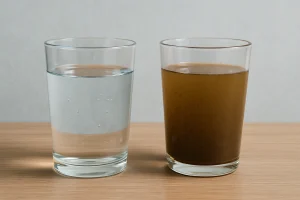
Rusty or brown tap water feels alarming because it looks wrong. Water is supposed to be clear. When it turns brown, yellow, or reddish, the immediate reaction is often fear — contamination, danger, something gone seriously wrong.
In reality, rusty water is one of the most well-understood and scientifically explainable household water issues. It is not mysterious, and it is rarely dangerous. It is the visible result of basic chemistry, aging materials, and water movement.
This article explains the science behind rusty water, step by step — without jargon, without panic, and without exaggeration.
What Rusty Water Actually Is (Scientifically)
Rusty water is water containing suspended iron particles or iron compounds that reflect light differently than clean water.
These particles can come from:
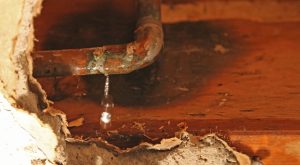
- Iron corrosion inside pipes
- Rust flakes
- Mineral sediment
- Oxidized iron dissolved in water
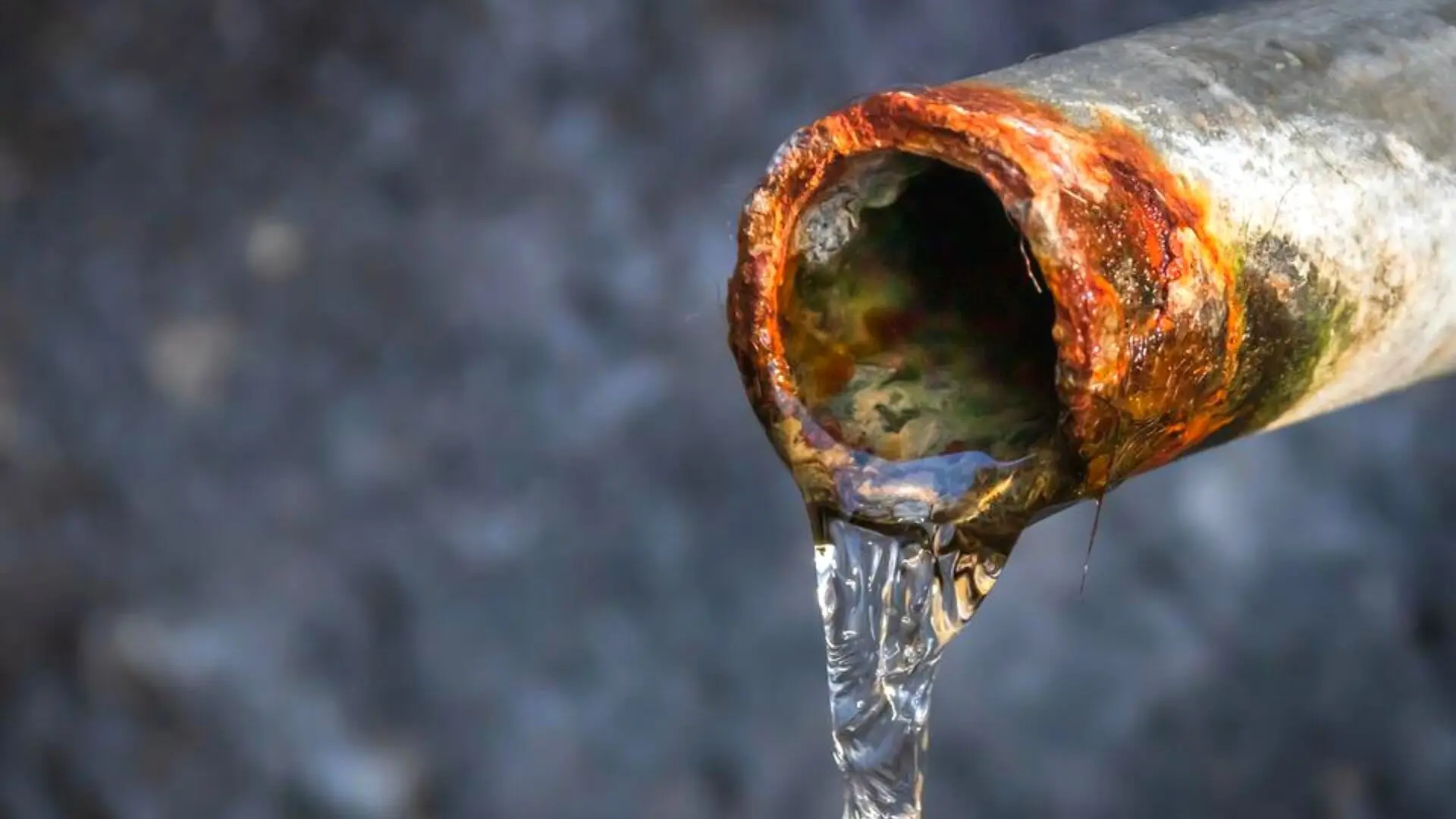
When iron is present in water, it reacts with oxygen. This reaction produces iron oxide, commonly known as rust.
Rust is not toxic. It is a chemical reaction product, not a contaminant.
Why Iron Exists in Plumbing Systems
Iron is everywhere in water systems because:
- Many pipes are made of iron or steel
- Iron is naturally present in groundwater
- Iron was a standard building material for decades
Older plumbing systems commonly contain:
- Galvanized steel pipes
- Cast iron piping
- Steel water heaters
- Iron-based valves and fittings
As water flows through these materials over time, corrosion slowly occurs.
Corrosion: The Core Scientific Process
Corrosion is a chemical reaction between:
- Metal
- Water
- Oxygen
This process happens slowly and continuously.
Inside a pipe:
- Oxygen in water contacts exposed metal
- The metal oxidizes
- Iron atoms break away
- Rust particles form
Most of the time, these particles stay attached to pipe walls.
Rusty water appears when those particles are dislodged.
Why Rusty Water Appears Suddenly
Rust doesn’t suddenly form overnight. What happens suddenly is movement.
Rusty water appears when:
- Water pressure changes
- Flow increases
- Pipes are disturbed
- Valves open or close
These events loosen particles that have been quietly accumulating for years.
The science here is mechanical, not biological or chemical contamination.
Sediment vs. Dissolved Iron
There are two main forms of iron involved in rusty water:
1. Suspended Particles
These are visible rust flakes or sediment.
- Cause cloudy or brown water
- Often settle if water sits
- Can stain fixtures
2. Dissolved Iron
This iron is invisible until it oxidizes.
- Water may look clear at first
- Turns yellow or brown after sitting
- Reacts when exposed to air
Both forms are common and explainable.
Why Rusty Water Stains Fixtures and Laundry
Rust particles adhere easily to:
- Porcelain
- Fabric fibers
- Plastic
- Silicone
Iron oxide binds to surfaces, which is why rusty water can leave:
- Orange stains
- Brown residue
- Ring marks in tubs and sinks
This is cosmetic and material damage — not a toxicity issue.
Why Hot Water Often Looks Rustier
Heat accelerates chemical reactions.
Hot water:
- Increases corrosion rates
- Loosens sediment
- Agitates particles more strongly
This is why rusty water often appears:
- Only in hot taps
- More intensely after heating
- Stronger after periods of non-use
Water heaters amplify these effects because they:
- Store water
- Heat it continuously
- Allow sediment to settle and build
The Role of Oxygen Exposure
Iron reacts with oxygen — and water systems constantly introduce oxygen.
Oxygen enters plumbing through:
- Municipal treatment
- Pressure changes
- Air pockets
- Maintenance work
This oxygen fuels oxidation and rust formation.
Rusty water is not a failure — it is a predictable chemical outcome.
Why Older Homes Are More Affected
Older homes contain:
- Older metals
- More corrosion
- Narrowed pipes
- Rough internal surfaces
Rough surfaces trap sediment more easily. When water flow changes, those trapped particles release.
Newer pipes (copper, PEX) corrode differently and release fewer visible particles.
Iron vs. Lead: A Critical Distinction
Rusty water often raises concern about lead. These are separate issues.
- Rust = iron oxide
- Lead = a heavy metal, invisible
Rusty water does not automatically mean lead is present.
However:
- Plumbing disturbances that release rust can also disturb lead solder or fixtures
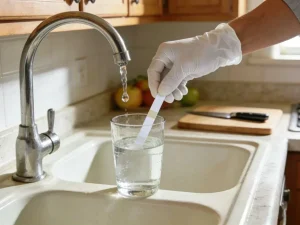
- This is why testing may be appropriate after major pipe work
The presence of rust is not evidence of lead, but it can coexist in older systems.
Is Rusty Water Dangerous?
From a scientific standpoint:
- Iron is an essential nutrient
- Iron oxide is not toxic at household levels
- Rusty water is unpleasant, not poisonous
That said, rusty water should not be:
- Drunk
- Used for cooking
- Used for infant formula
Until it clears.
This is about quality, not emergency risk.
Why Rusty Water Tastes Metallic
Iron ions stimulate taste receptors associated with metal perception.
This creates:
- Metallic taste
- Dry mouth sensation
- Unpleasant aftertaste
Taste changes are sensory warnings — not indicators of toxicity.
Why Rusty Water Often Clears Quickly
Once disturbed particles move through:
- Fresh water replaces them
- Flow stabilizes
- Sediment resettles
That’s why many rusty water episodes:
- Last minutes to hours
- Clear after flushing
- Do not return immediately
The system is self-correcting.
Why Rusty Water Sometimes Keeps Coming Back
Recurring rusty water suggests:
- Advanced corrosion
- Narrowed pipes
- Ongoing disturbance
- Aging infrastructure
The science doesn’t change — only the frequency.
Recurring rust means the system needs maintenance, not panic.
Water Chemistry and pH
Water chemistry influences corrosion rates.
Factors include:
- pH levels
- Mineral content
- Treatment methods
Slightly acidic water corrodes metal faster. This is common in older systems and well-documented in water engineering.
Municipal treatment balances safety and corrosion control — but aging pipes still corrode.
Why Rusty Water Is More Common After Storms
Storms can:
- Change pressure in mains
- Increase water demand
- Require system flushing
- Disturb underground pipes
These physical changes dislodge sediment — not contaminants.
The Difference Between Rust and Contamination
Rust:
- Comes from inside pipes
- Is predictable
- Is visible
- Is manageable
Contamination:
- Comes from external sources
- Is rare
- Often invisible
- Triggers alerts
Rusty water almost always falls into the first category.
How Engineers View Rusty Water
Water engineers see rusty water as:
- A distribution issue
- A maintenance signal
- A system behavior
They do not see it as a health crisis.
This perspective matters.
Why Understanding the Science Reduces Fear
Fear thrives in uncertainty.
Once you understand:
- Corrosion chemistry
- Pipe behavior
- Water movement
Rusty water becomes understandable — not frightening.
What the Science Tells Us to Do
Science-based response:
- Observe
- Flush cautiously
- Avoid ingestion until clear
- Investigate persistent issues
- Maintain infrastructure
Not panic. Not ignore. Not assume danger.
The Bottom Line
Rusty water is:
- A chemistry outcome
- A plumbing condition
- A visible signal
- Usually harmless
- Always explainable
It is not mysterious. It is not a threat. It is information.
Final Thought
Clear water builds trust. Clear explanations build confidence.
That’s what Brown Water exists to provide.