If you live in New York City—or in older parts of New Jersey—you may feel like brown or discolored tap water is something you just “have to deal with.” Many residents notice it after renovations, during construction season, or seemingly at random.
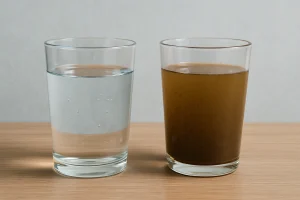
This isn’t your imagination. Brown water genuinely occurs more often in older NYC and NJ buildings, and there are clear, structural reasons why.
This article explains why brown water is more common in older buildings, how city infrastructure and building design play a role, and what residents can realistically expect — without fear or blame.
NYC’s Infrastructure Is Old — And That Matters
New York City has one of the oldest continuously operating water distribution systems in the United States.
Many water mains:
- Are 80–120+ years old
- Were installed long before modern materials
- Have been repaired many times rather than replaced
These pipes still function remarkably well, but age brings consequences.
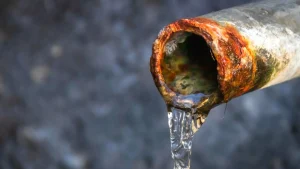
Over decades, internal pipe surfaces develop:
- Rust layers
- Mineral scale
- Iron sediment
Most of the time, these materials stay put. Brown water appears when flow or pressure changes disturb them.
Older Buildings Have Older Internal Plumbing
Even if the city supply is functioning well, water still must travel through your building’s plumbing.
Many NYC buildings contain:
- Galvanized steel pipes
- Cast iron supply lines
- Original valves and risers
- Partial upgrades mixed with old piping
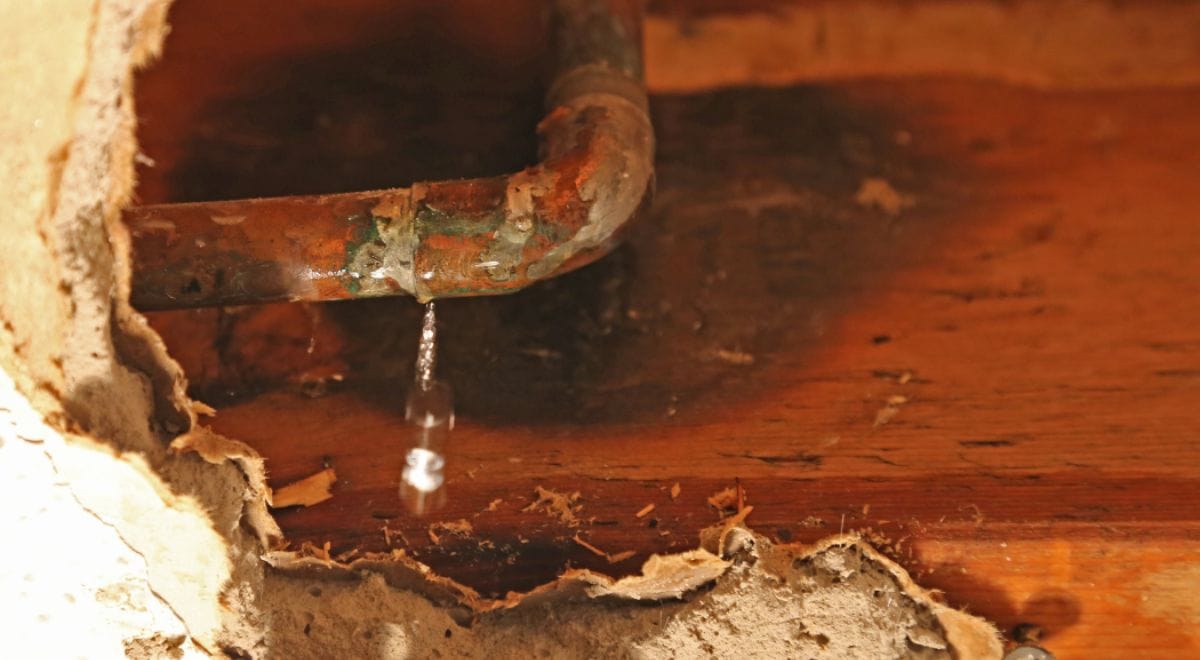
Galvanized pipes, in particular, corrode from the inside out. Over time:
- The pipe diameter narrows
- Rust flakes accumulate
- Flow becomes uneven
Brown water is often the visible result of that internal corrosion.
Brownstones: Vertical Plumbing Challenges
Brownstones are beautiful — but their plumbing layouts are complex.
Common features include:
- Long vertical risers
- Multiple turns and joints
- Mixed-era repairs
- Limited access to internal pipes
When water flow changes (after shutoffs or repairs), sediment from these vertical runs can be released suddenly — causing discoloration on upper or lower floors.
Brownstone plumbing often behaves differently floor by floor, which explains why:
- One apartment sees brown water
- Another does not
- The issue appears intermittently
High-Rise Buildings and Recirculation Systems
High-rise buildings add another layer of complexity.
Many use:
- Hot water recirculation loops
- Booster pumps
- Pressure-regulating valves
These systems keep water moving constantly, which is efficient — but also means:
- Sediment is more likely to be mobilized
- Pressure fluctuations travel farther
- Discoloration can appear quickly after disturbances
In high-rises, brown water often shows up:
- After maintenance
- During peak usage
- Following city work nearby
Renovations Are a Major Trigger
NYC is always renovating.
When plumbing is altered—even in a single unit—it can disturb sediment throughout a shared system.
Common triggers:
- Bathroom remodels
- Kitchen upgrades
- Valve replacements
- Appliance installations
Even if work happens several floors away, the resulting pressure changes can loosen rust elsewhere.
This is why brown water sometimes appears:
- After your neighbor renovates
- Even if your own pipes weren’t touched
Street Construction and Water Mains
NYC streets are under constant repair.
Underground work often involves:
- Excavation near water mains
- Temporary shutoffs
- Pressure changes during reconnection
When a water main is disturbed:
- Sediment inside the main is released
- Discoloration spreads through connected buildings
- Cold water is usually affected first
This type of brown water often:
- Appears suddenly
- Affects multiple buildings
- Clears within hours or a day
Fire Hydrant Flushing: A Common but Confusing Cause
Hydrant flushing is routine city maintenance.
It improves water quality long-term, but short-term effects include:
- Increased water velocity
- Sediment release
- Temporary discoloration
Buildings near flushing zones often experience brown water with no warning.
It’s harmless—but alarming if you don’t know what’s happening.
Older Valves and Fixtures Add to the Problem
In older buildings, even small components contribute.
Old valves:
- Accumulate corrosion
- Release rust when opened or closed
- Can discolor water locally
Fixtures that haven’t been used frequently can also release rust when turned on.
This explains why:
- Brown water may appear at one sink only
- Rarely used taps show discoloration first
Why Brown Water Is More Common After Vacations
When water sits stagnant in pipes:
- Sediment settles
- Rust particles accumulate
- First use stirs everything up
Older buildings with complex piping experience this more dramatically.
That’s why brown water is often noticed:
- First thing in the morning
- After long weekends
- After extended absences
NYC vs. NJ: Similar Problems, Different Details
Older NJ suburbs share many of the same issues.
In areas like:
- Montclair
- West Orange
- Hoboken
- Jersey City
Common factors include:
- Older housing stock
- Cast iron or galvanized pipes
- Iron and manganese naturally present in water
NJ systems may see more mineral-related discoloration, while NYC sees more infrastructure-driven disturbances.
Why Brown Water Is Usually Not a Water Source Problem
NYC’s water supply is widely considered high quality.
Brown water usually appears after the water enters the building, not before.
That’s why:
- Water leaving treatment facilities is clear
- Discoloration appears intermittently
- Neighboring areas may be unaffected
The issue is almost always distribution, not source quality.
Is Brown Water Inevitable in Older Buildings?
Not inevitable — but more likely.
Well-maintained buildings:
- Flush systems regularly
- Replace aging risers
- Monitor complaints
- Address recurring discoloration
Poorly maintained buildings see brown water more often.
Maintenance, not panic, makes the difference.
When Residents Should Be Concerned
You should escalate if:
- Brown water happens frequently
- It does not clear with flushing
- It worsens over time
- Multiple units are affected repeatedly
These patterns suggest aging infrastructure that needs attention.
What Residents Can Do (Realistically)
You cannot control city infrastructure — but you can:
- Report discoloration promptly
- Coordinate with neighbors
- Ask building management about recent work
- Avoid using discolored water for consumption
Understanding the system gives you leverage.
What Brown Water Does Not Mean
To reduce anxiety:
- It does not mean NYC water is unsafe
- It does not mean sewage contamination
- It does not mean your building is failing immediately
It means old systems are behaving like old systems.
Why Information Matters More Than Fear
Brown water triggers fear because it feels out of control.
Information restores control.
Once you understand:
- How pipes age
- How pressure changes work
- Why disturbances cause discoloration
…the issue becomes manageable instead of alarming.
The Bottom Line
Brown water happens more in older NYC buildings because:
- Infrastructure is aging
- Plumbing materials corrode
- Renovations and construction are constant
- Shared systems amplify disturbances
This is a maintenance reality, not a crisis.