Few household surprises are more unsettling than turning on the tap and seeing brown, yellow, or rusty-looking water come out. It can happen without warning. One day everything looks normal; the next, the water is discolored enough to make you stop mid-task and wonder whether something is wrong.
The internet often makes this moment worse. Search results jump straight to worst-case scenarios: contamination, unsafe water, health risks. In reality, most cases of brown water have clear, logical explanations — and many are temporary.
This guide explains why tap water suddenly turns brown, what is actually happening inside plumbing systems, and how to understand the situation calmly and accurately.
First, What “Brown Water” Really Means
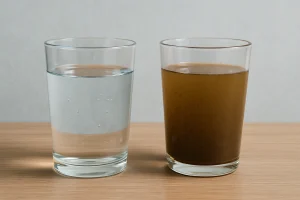
Brown water is not a single condition. It’s a visual symptom caused by particles in the water reflecting light differently.
Discolored water may appear:
- Brown
- Yellow
- Amber
- Rusty red
- Tea-colored
- Cloudy with a brown tint
The color usually comes from rust, sediment, or minerals — not from dirt entering your home and not from sewage or external contamination.
Understanding that difference matters.
The Most Common Reason: Disturbance Inside the Plumbing System
In the vast majority of cases, brown water appears because something disturbed material that was already inside pipes.
Over time, plumbing systems accumulate:
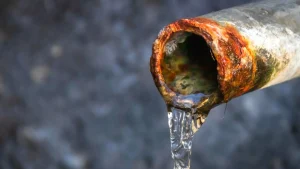
- Rust from aging metal pipes
- Mineral sediment
- Iron particles
- Scale buildup
Most of the time, these materials stay stuck to pipe walls. When water flow is steady and unchanged, you never see them.
Brown water happens when that balance is disrupted.
Why Brown Water Often Appears “Suddenly”
People often say, “Nothing changed — why did this happen?”
In reality, small changes matter. Brown water commonly follows:
1. Water Shutoffs or Pressure Changes
Even brief water shutoffs — planned or unplanned — can loosen rust and sediment. When water pressure returns, those particles move through the system and out of your taps.
This is one of the most common causes of sudden discoloration.
2. Plumbing Work (Even if It Wasn’t in Your Unit)
Work done:
- In another apartment
- In the building basement
- On nearby streets
- On the city water main
…can disturb shared pipes and send sediment downstream.
In apartments and condos, your water is connected to everyone else’s.
3. Fire Hydrant Flushing
Cities regularly flush hydrants to clean water mains. This creates strong water flow that scrubs pipe interiors — loosening sediment that can temporarily enter nearby buildings.
This often causes short-term brown water across multiple buildings in the same area.
4. High Water Demand
During peak usage times (early morning, evenings), higher water flow can disturb settled material in older pipes.
This is why brown water sometimes appears only at certain times of day.
Aging Plumbing: The Quiet Background Cause
The older the plumbing system, the more likely brown water becomes.
Many homes and buildings still contain:
- Galvanized steel pipes
- Cast iron pipes
- Old shutoff valves
- Aging water heaters
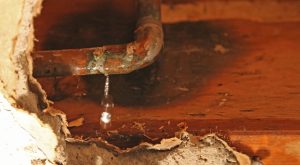
These materials corrode slowly over decades. Rust forms inside pipes long before leaks appear.
Brown water is often the first visible sign that plumbing is aging — not that it has failed.
Why Brown Water Often Clears on Its Own
If brown water clears after running cold water for a minute or two, it usually means:
- Sediment was sitting in unused pipes
- Rust was loosened temporarily
- The system is stabilizing again
This type of brown water is typically mechanical, not dangerous, and not ongoing.
Persistent discoloration, however, should be investigated further.
Hot vs. Cold Water: A Critical Clue
When diagnosing sudden brown water, temperature matters.
Brown Only in Hot Water
This usually points to:
- Water heater sediment
- Internal heater corrosion
- Recently replaced or serviced heaters
Hot water accelerates corrosion and sediment movement, making discoloration more visible.
Brown Only in Cold Water
This often suggests:
- City-side disturbance
- Building supply pipes
- Recent street or main work
Cold-only discoloration often affects multiple units.
Brown in Both Hot and Cold
This typically indicates:
- Building-wide pipe disturbance
- City main sediment
- System-level pressure changes
Is Brown Water Dangerous?
Most of the time, no — but it’s not ideal either.
Brown water usually contains:
- Iron
- Rust particles
- Sediment
- Sometimes manganese
These substances affect:
- Appearance
- Taste
- Staining
They do not automatically mean contamination, but visibly discolored water should not be used for:
- Drinking
- Cooking
- Infant formula preparation
Until it runs clear again.
Lead: When Brown Water Deserves Extra Attention
Brown water itself is not lead. However, lead risk increases when:
- Old plumbing is disturbed
- Lead solder or fixtures exist
- Pipes are shaken loose by repairs
This is why brown water following renovations or pipe work should be taken more seriously — especially in older buildings.
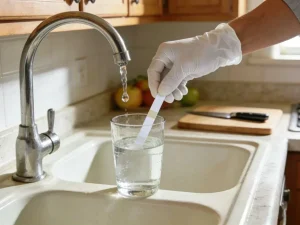
Testing may be appropriate in these cases.
Why Brown Water Is More Common in Apartments and Older Cities
Shared plumbing systems make discoloration more likely.
In apartments:
- Pipes serve many units
- Work in one area affects others
- Pressure changes travel far
In older cities:
- Infrastructure is decades old
- Pipes have layers of accumulated material
- Street work is frequent
Brown water is often a system behavior, not a failure.
When Brown Water Is Likely Temporary
Brown water is often temporary when:
- It appears suddenly
- Clears within minutes
- Follows known maintenance
- Neighbors experience the same issue
In these cases, flushing cold water and waiting is usually sufficient.
When Brown Water Needs Investigation
You should look deeper if:
- Discoloration lasts more than 24–48 hours
- Water does not clear with flushing
- Color worsens
- There is metallic taste or odor
- The issue keeps returning
At that point, building management or a plumber should be involved.
What Brown Water Is NOT
To reduce unnecessary fear, it’s important to clarify what brown water usually is not:
- Not sewage
- Not dirt entering your home
- Not an immediate poisoning risk
- Not a sign the water source is unsafe
It is most often a plumbing condition, not a contamination event.
Why Clear Information Matters
Brown water looks alarming because it violates expectations. Water is supposed to be clear.
But once you understand the mechanics — pressure, pipes, sediment — the situation becomes understandable and manageable.
Panic doesn’t help. Information does.
The Bottom Line
If your tap water suddenly turned brown:
- You are not alone
- The cause is usually explainable
- Most cases are temporary
- Aging plumbing is the most common factor
Understanding what’s happening lets you respond calmly, protect your household appropriately, and avoid unnecessary stress.
That’s exactly what Brown Water exists to help with.