
The easiest way to test if one pipe is rusting
‹ ADVERTISEMENT ADVERTISEMENT For many homeowners, “Brown Water” isn’t a building-wide event; it’s a “Localized Ghost” that only appears in one specific room. If your
‹ ADVERTISEMENT ADVERTISEMENT For many homeowners, “Brown Water” isn’t a building-wide event; it’s a “Localized Ghost” that only appears in one specific room. If your

‹ ADVERTISEMENT ADVERTISEMENT You’ve just invested $2,500 in a brand-new, high-efficiency water heater, expecting perfect, clear showers. Instead, the first time you turn on the
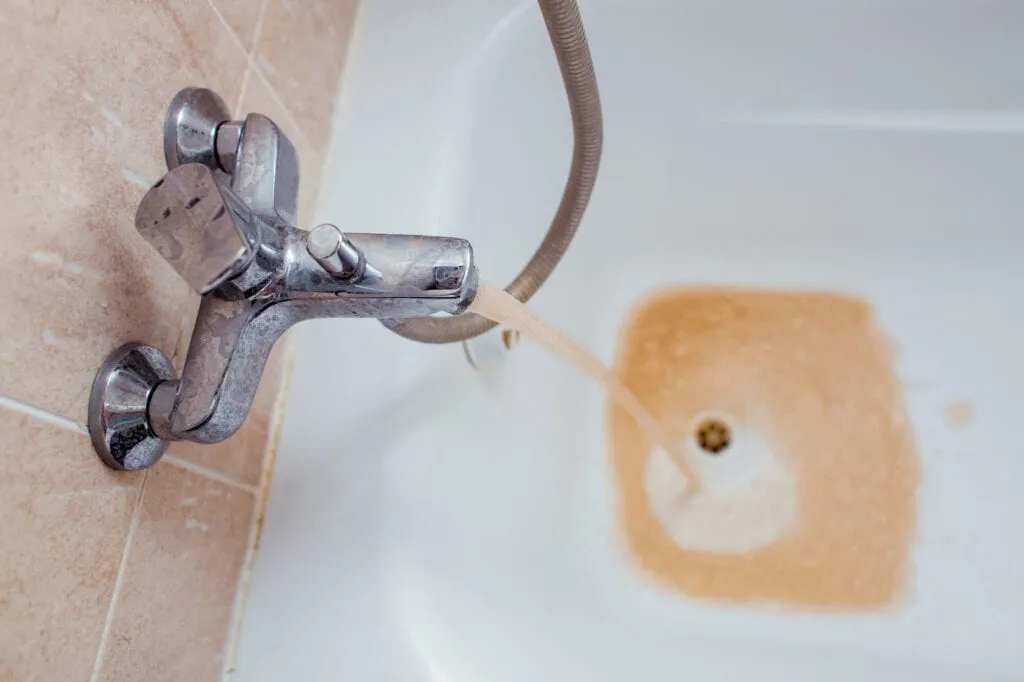
‹ ADVERTISEMENT ADVERTISEMENT There is nothing more discouraging than waking up, turning on the kitchen tap for a fresh glass of water, and being greeted
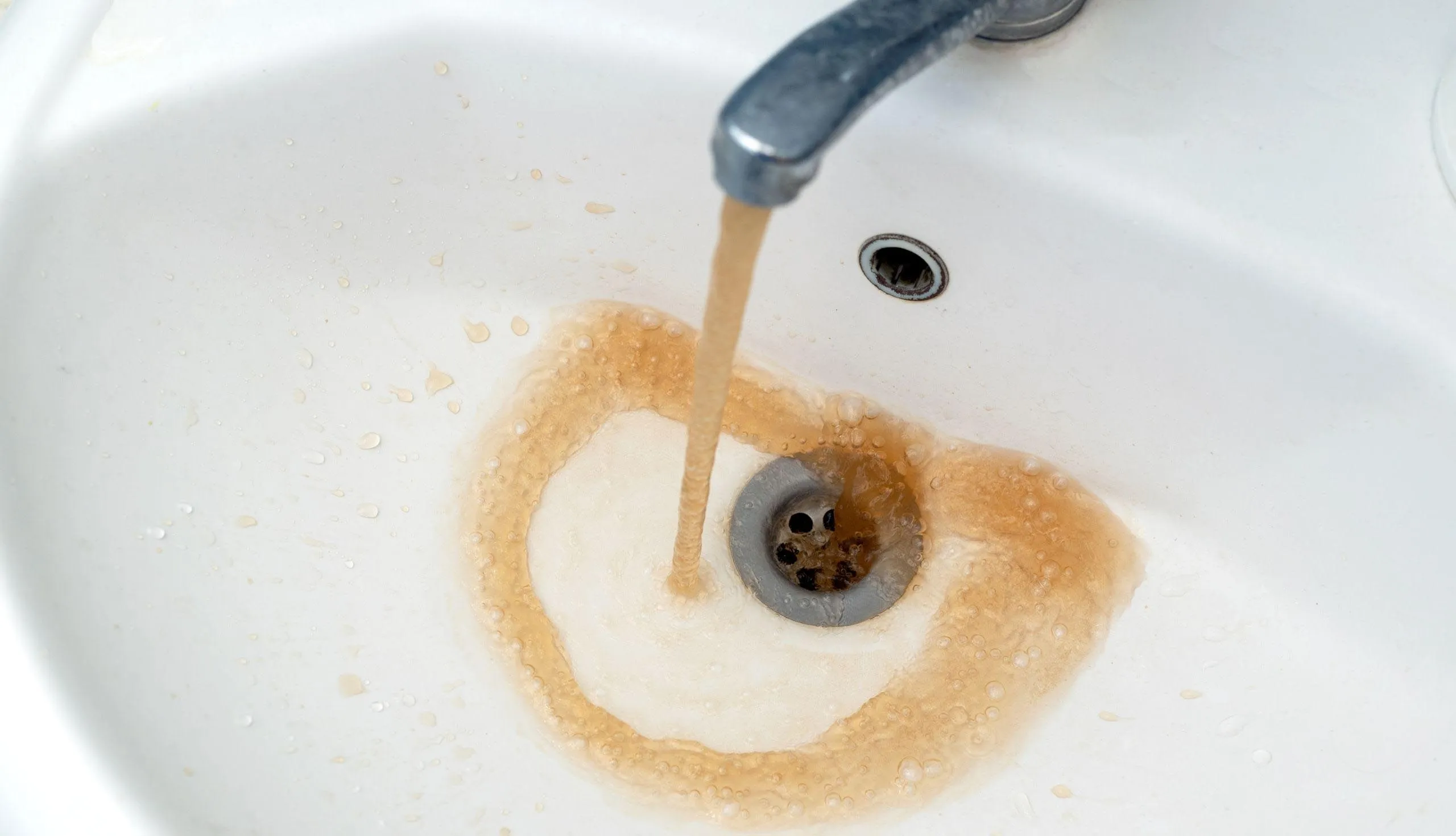
‹ ADVERTISEMENT ADVERTISEMENT The standard advice for brown water is to “run the tap for 10-15 minutes until it clears.” But what happens when you’ve

‹ ADVERTISEMENT ADVERTISEMENT The most common question homeowners ask during a discoloration event is: “Who is responsible?” Determining whether brown water is coming from the

‹ ADVERTISEMENT ADVERTISEMENT When brown water hits your tap, the first five minutes are critical for accurate diagnosis. In the panic of the moment, most

‹ ADVERTISEMENT ADVERTISEMENT When you see brown water, the immediate assumption is “Rust.” However, in cities like NYC, Jersey City, and Hoboken, discolored water is

‹ ADVERTISEMENT ADVERTISEMENT Living in a prewar building in New York City or North Jersey is a unique architectural experience, characterized by crown molding, high
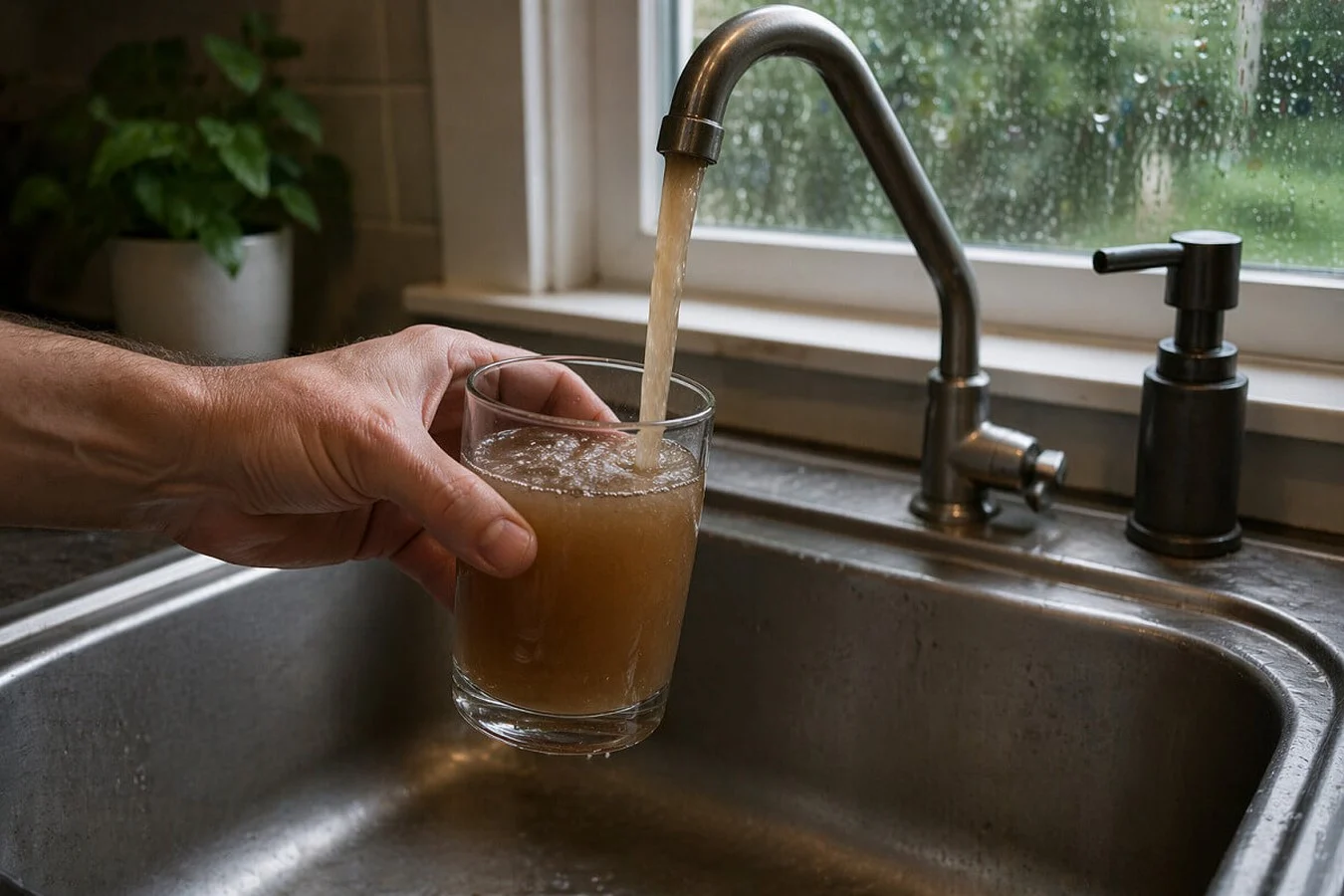
‹ ADVERTISEMENT ADVERTISEMENT Jersey City’s historic neighborhoods—from the brownstones of Van Vorst Park to the high-rises of the Waterfront—experience a statistically high frequency of brown
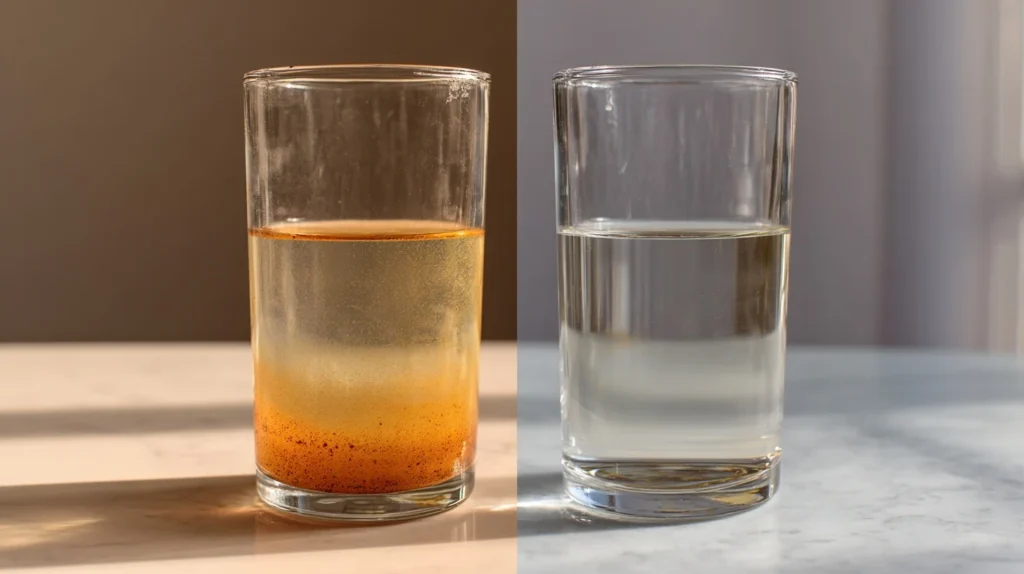
‹ ADVERTISEMENT ADVERTISEMENT When you turn on your tap and see anything other than perfectly clear water, the “Color” is the single most important diagnostic